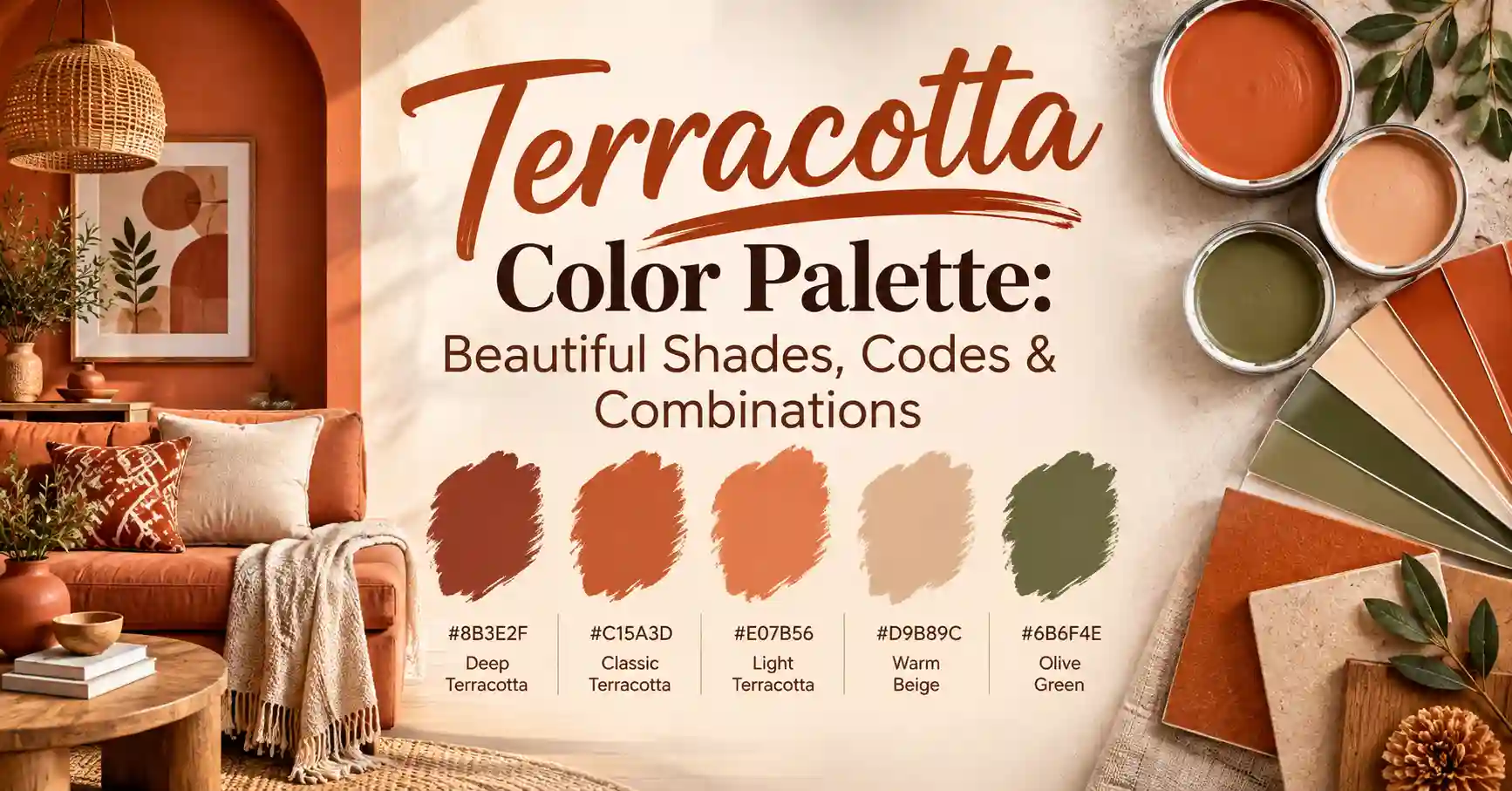
Terracotta Color Palette: Beautiful Shades, Codes & Combinations
How Do You Make Terracotta Color? Have you ever stared at a clay pot and wondered how to recreate that warm, earthy glow? Terracotta color is rich, cozy, and easy to love. The good news? You can mix it at home with just a few basic paints.
Main takeaway: Mix orange, brown, and white in a 3:1:1 ratio to make terracotta. The digital hex code is #E2725B. Add more orange for a brighter tone. Add more brown for a deeper one.
That is the short version. In this guide, you will learn what terracotta is, how to mix it step by step, and which shades and color combinations look best. You will also get hex codes, fixes for common mistakes, and ideas for using it at home.
What Is Terracotta Color?
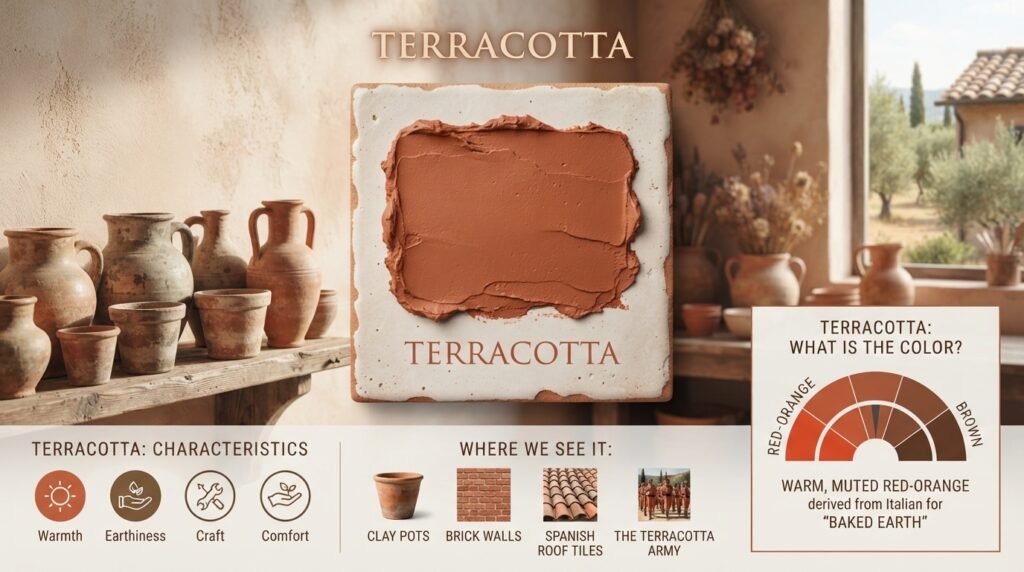
Terracotta color is a warm, earthy red-orange. The name comes from Italian and means “baked earth.” It matches the color of fired clay, like flower pots, roof tiles, and old pottery.
Is Terracotta Warm or Cool?
Terracotta is a warm color. It sits in the red-orange part of the color wheel. But it is a muted, softened version of those bright colors. Brown and white take away the sharpness and add a calm, natural feel.
Where Does Terracotta Sit on the Color Wheel?
Terracotta lives near red-orange. It is not a pure wheel color. Think of it as a toned-down red-orange with a little brown mixed in.
What Terracotta Means and Where We See It
Terracotta feels grounded, warm, and handmade. It reminds many people of the desert, the Mediterranean, and autumn days. It also suggests comfort, craft, and nature.
You will see it in clay pots, brick walls, Spanish roof tiles, and the famous Terracotta Army of China.
What Colors Make Terracotta?
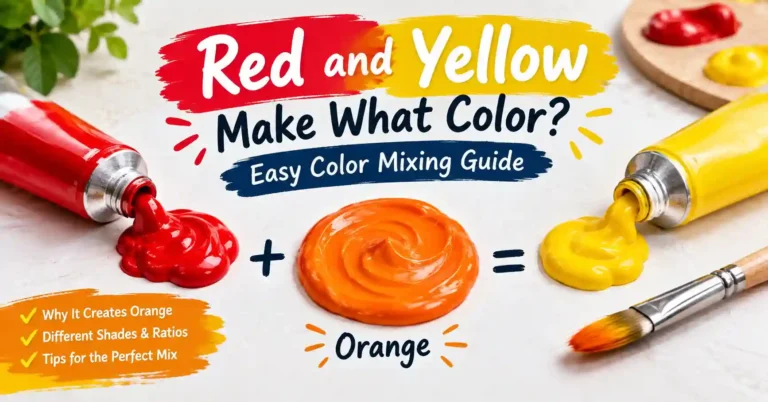
The direct answer is simple. Orange, brown, and white make terracotta. Here is the core formula.
Orange : Brown : White = 3 : 1 : 1
You can think of it as three easy steps. Orange gives the warmth. Brown adds the earthy depth. White softens it into that chalky, clay look.
Basic Terracotta Ratios
| Mix | Ratio | Result |
| Orange + Brown + White | 3:1:1 | Classic terracotta |
| Orange + Brown + White | 3:1:2 | Soft, light terracotta |
| Orange + Brown + White | 3:2:1 | Deep, earthy terracotta |
| Orange + Brown (no white) | 2:1 | Burnt orange |
What If You Only Have Primary Colors?
No orange or brown? No problem. Orange comes from red and yellow. Brown comes from all three primaries mixed together.
So you can make terracotta from red, yellow, a tiny bit of blue, and white. Add the blue slowly. A little goes a long way.
Step-by-Step: How to Mix Terracotta in Paint
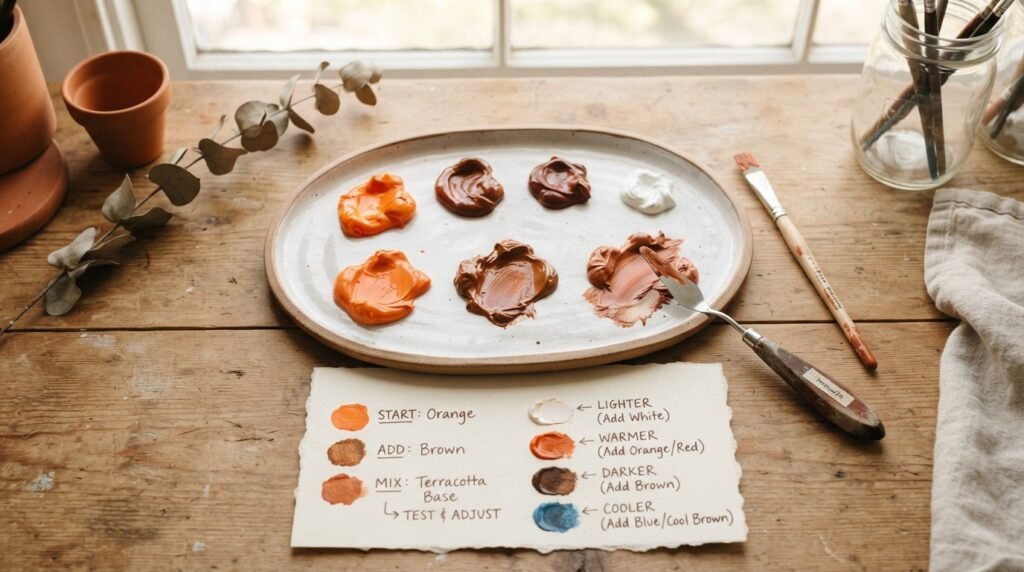
Ready to start making terracotta yourself? Follow the steps below. You only need a few basic supplies.
What You Will Need
- Orange paint (or red and yellow)
- Brown paint, such as burnt sienna or raw umber
- White paint
- A palette or plate
- A palette knife or old brush
- Scrap paper for testing
The Mixing Steps
- Start with orange. Squeeze out three small blobs of orange on your palette. This is your base.
- Add brown. Place one blob of brown next to the orange. Pull a little in.
- Add white. Place one blob of white nearby. Pull in a small amount.
- Mix well. Press and fold with your knife until no streaks remain.
- Test the color. Brush a stroke on scrap paper and check the result.
- Adjust as needed. Use the tips below to shift the shade.
- Let it dry. Paint often changes as it dries, so check again before you use it.
How to Adjust Your Terracotta
Once you have a base color, you can shift it in any direction. Add small amounts and test often.
Make It Lighter
Add white a little at a time. White is very strong, so a tiny bit goes a long way. Too much white will turn the mix pink and chalky.
Make It Darker
Add more brown. A tiny touch of blue can also deepen it. Avoid black, because it often makes terracotta look dull and flat.
Make It Warmer
Add more orange or a drop of red. This gives a brighter, sunnier clay tone.
Make It Cooler
Add a very small touch of blue or a cool brown. This gives a softer, dustier terracotta.
💡 Beginner Tip: Mix your brown in last, and add it in tiny amounts. Brown is a strong, dark pigment. It can take over the mix in seconds. You can always add more, but you cannot take it out.
Mixing terracotta is like toasting bread. A little more heat changes the color, and you cannot un-toast it.
Terracotta Mixing Chart: Pigment Combinations and Resulting Shades
This chart shows how different pigment pairs create different terracotta tones. The hex codes are close digital matches. Real paint will vary a little by brand.
| # | Pigment Combination | Ratio | Resulting Shade | Hex Code |
| 1 | Orange + burnt sienna + white | 3:1:1 | Classic Terracotta | #E2725B |
| 2 | Cadmium red + yellow ochre | 1:1 | Burnt Sienna | #E97451 |
| 3 | Orange + brown | 1:1 | Cinnamon | #D2691E |
| 4 | Red + yellow + a touch of blue | 4:4:1 | Rust | #B7410E |
| 5 | Cadmium red + yellow ochre + white | 2:2:1 | Dusty Terracotta | #C97B63 |
| 6 | Classic terracotta + white | 1:1 | Blush Terracotta | #F2B8A2 |
| 7 | Classic terracotta + brown | 3:1 | Sienna | #A0522D |
| 8 | Classic terracotta + a touch of red | 10:1 | Brick | #CB4154 |
| 9 | Red + a drop of green + white | 6:1:2 | Adobe | #BD6C48 |
| 10 | Orange + brown + yellow ochre | 2:1:1 | Camel | #C19A6B |
The pattern is clear. Brown gives depth. White gives a soft, chalky finish. A tiny touch of blue or green mutes the red and makes it more earthy.
How to Make Terracotta Color with Different Starting Colors
You may not have orange and brown on hand. That is fine, because there are several other paths to terracotta.

Mix Red, Yellow Ochre, and White
Yellow ochre is a soft, earthy yellow. Mixed with red, it gives a warm, muted orange. Add a little white to reach terracotta.
Start with Burnt Sienna
Burnt sienna is a ready-made reddish-brown. It is already close to terracotta. Add white and a bit of orange to brighten it. This is one of the fastest routes.
Use Red and a Touch of Green
Green is the opposite of red on the color wheel. A tiny drop of green dulls red into an earthy tone. Add white to finish it. Use very little green, or the mix will turn muddy.
Mix Orange and a Touch of Blue
Blue is orange’s opposite. A small amount of blue turns orange into a rusty, earthy shade. Add white to soften it into terracotta.
Add Pink to Brown
Pink and brown make a dusty, rosy terracotta. This path gives a softer, blush-toned result. It works well for modern, muted palettes.
Use a Ready-Made Terracotta Tube
Many paint brands sell terracotta or “terra cotta” as a ready-made color. It is a great shortcut. You can still tweak it with white or brown.
How to Make Terracotta Color Digitally (RGB/Hex)
On a screen, color works differently than it does on paper. Screens use light, not paint. Every color is a mix of red, green, and blue light.
Terracotta Color Values
Here are the standard digital values for terracotta.
| Format | Value |
| Hex | #E2725B |
| RGB | 226, 114, 91 |
| HSL | 10°, 70%, 62% |
| CMYK (approx.) | 0, 50, 60, 11 |
How to Enter Terracotta in Your Software
Each program has a spot where you can type the hex code. Here is where to find it.
Photoshop
Click the foreground color box to open the Color Picker. Find the # field and type E2725B. Then click OK.
Procreate
Tap the color circle in the top corner. Open the Value tab. Type E2725B in the Hex box.
CSS
Use any of these three formats on your website.
css
color: #E2725B;
/* or */
color: rgb(226, 114, 91);
/* or */
color: hsl(10, 70%, 62%);
Common Mistakes and How to Fix Them
Even experienced painters get a bad terracotta sometimes. Here are the most common problems and their fixes.

Why Does My Terracotta Look Gray or Muddy?
Why It Happens
You added too much brown or blue. Or you used black. Too many dark pigments can flatten the color.
How to Fix It
Add more orange and a little red. This brings back warmth. Use only small amounts of brown or blue next time.
Why Does My Terracotta Look Too Pink?
Why It Happens
There is too much white, or your red leans cool. Both push the mix toward pink.
How to Fix It
Add more orange or yellow. This warms the mix and pulls it back toward clay.
Why Does My Terracotta Look Too Orange?
Why It Happens
There is not enough brown. Without it, the mix stays bright and sunny.
How to Fix It
Add brown a tiny bit at a time. A touch of blue also works to mute the orange.
Why Does My Terracotta Look Too Brown?
Why It Happens
Brown is a strong pigment. Too much of it makes the mix dark and flat.
How to Fix It
Add more orange and a little white. This lifts the color and brings back the glow.
Why Did My Terracotta Dry Darker?
Why It Happens
Acrylic paint often dries a shade darker than it looks wet.
How to Fix It
Mix a little lighter than your target color. Always test a dry swatch first.
Tips for Getting a Consistent, Vivid Terracotta
Want the same terracotta every time? A few good habits make a big difference.
Choose Quality Pigments
Artist-grade paints hold more pigment than cheap student paints. They give richer, cleaner earth tones. Burnt sienna and yellow ochre are both great starters.
Test Before You Paint
Always test your mix on a palette or scrap paper first. Never mix straight onto your artwork. Paint a small square and let it dry before you decide.
Mix Small Batches and Keep Notes
Small batches are easier to control. Still, mix enough to finish the job, because matching a color later is hard. Write down your ratios so you can repeat your best terracotta.
Dry-Test Your Swatch
Paint a swatch and wait until it dries fully. Then compare it to your reference. This avoids surprises on walls and canvases.
Keep Your Tools Clean
Leftover paint from a previous mix can shift your color. Wash your brushes and palette knife between mixes. Use a white background to judge the true color.
Real-Life Uses of Terracotta Color
Terracotta shows up everywhere. Once you know how to make it, you can use it with confidence in many projects.

Fashion
Terracotta is a favorite for fall and spring wardrobes. It looks great in linen shirts, knit sweaters, scarves, and leather bags. It pairs well with cream, olive, and denim.
Interior Design
Terracotta walls feel warm and welcoming. Clay pots, tiles, and woven baskets add the same earthy touch. It suits Mediterranean, boho, and modern-rustic homes.
If you are not sure about a full wall, start small. Try a sample pot of a ready-mixed terracotta shade before you commit to a whole room. Paint a large swatch and watch it in morning and evening light.
Branding
Many brands use terracotta to feel natural, handmade, and warm. It suits cafés, wellness studios, ceramics shops, and eco-friendly products.
Shades and Variations of Terracotta
Terracotta is a big color family. Here are four popular shades, with hex codes and ideas for using them.
| Shade | Hex Code | Best Use |
| Blush Terracotta | #F2B8A2 | Nurseries, soft walls, wedding palettes |
| Dusty Terracotta | #C97B63 | Modern living rooms, muted branding, ceramics |
| Burnt Sienna | #E97451 | Accent walls, autumn art, warm illustrations |
| Rust | #B7410E | Sofas, rugs, bold fashion, rich shadows |
Where Terracotta Sits on the Color Wheel
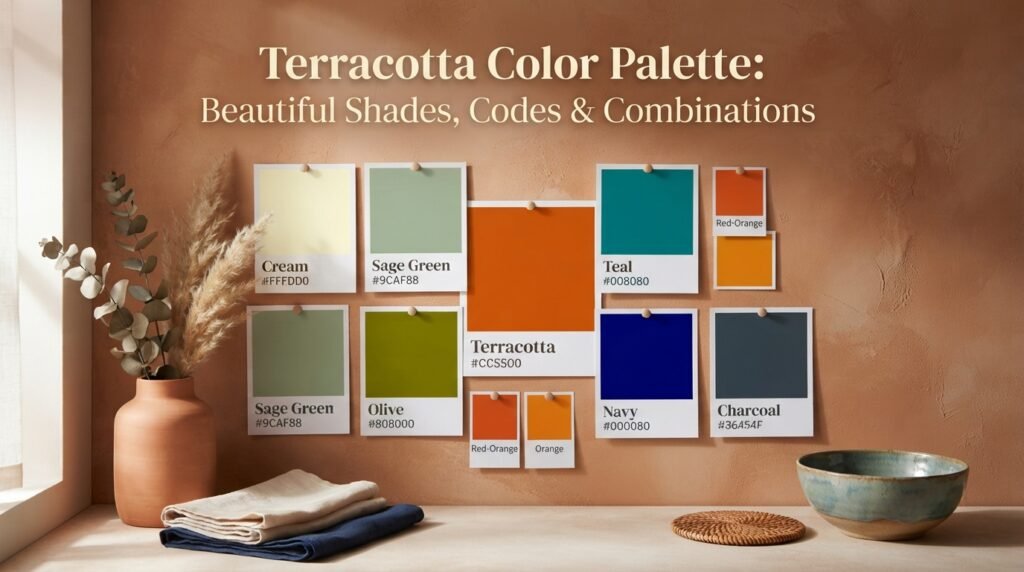
Terracotta is a muted version of red-orange. It sits near red and orange on the traditional color wheel. Knowing its neighbors helps you mix and pair colors with confidence.
Is Terracotta a Tertiary Color?
Not exactly. Red-orange is a tertiary color, made by mixing red and orange. Terracotta is a toned-down version of it. Brown and white take it away from the pure wheel hue.
Complementary Color
The complementary color of terracotta is blue-green, or teal. It sits directly across from red-orange on the wheel. Together, they create strong contrast and make each other pop.
Analogous Colors
Analogous colors sit next to terracotta. These are red, red-orange, orange, and coral. They blend smoothly and make warm, harmonious palettes.
Terracotta Color Palette Combinations
Terracotta works with many colors. Here are some popular pairings and hex codes.
| Pairing | Hex Code | Mood |
| Cream | #FFFDD0 | Soft, warm, and cozy |
| Sage Green | #9CAF88 | Fresh, calm, and natural |
| Olive | #808000 | Earthy and rustic |
| Teal | #008080 | Bold and balanced |
| Navy | #000080 | Classic and strong |
| Charcoal | #36454F | Modern and grounded |
Conclusion
So, how do you get that perfect terracotta color? Mix orange, brown, and white in a 3:1:1 ratio. Use brown in tiny amounts. Add white to soften it. Adjust until you match #E2725B or your own favorite shade.
Do not worry about getting it perfect on your first try. Mix small batches, test on scrap paper, and write down what works. The more you practice making terracotta, the faster you will learn how each pigment behaves. Soon you will mix any clay tone you want, from blush to rust.
Now it is your turn. Grab your orange, brown, and white, and see what you can create.
FAQs
What colors make terracotta?
Orange, brown, and white make terracotta. A good starting ratio is 3 parts orange, 1 part brown, and 1 part white. Adjust to taste for lighter or deeper shades.
How do you make terracotta color from primary colors?
Mix red and yellow to make orange. Add a tiny bit of blue to make it earthy, then add white to soften it. Go slowly with the blue, because it is strong.
What is the hex code for terracotta color?
The standard hex code for terracotta is #E2725B. Its RGB values are 226, 114, 91. Its HSL values are 10°, 70%, 62%.
Is terracotta a warm or cool color?
Terracotta is a warm color. It leans toward red-orange and has earthy brown tones. It feels cozy and natural.
What color goes well with terracotta?
Cream, sage green, olive, teal, navy, and charcoal all pair well with terracotta. Cream and sage give a soft look. Teal and navy give strong contrast.
How do you make terracotta lighter or darker?
To lighten it, add white a little at a time. To darken it, add a bit more brown or a tiny touch of blue. Avoid black, because it can make the color look flat.
Why does my terracotta look muddy?
You probably added too much brown, blue, or black. This flattens the warmth of the mix. Add more orange and a touch of red to bring it back.