Yellow and Pink Make What Color? Easy Color Mixing Guide
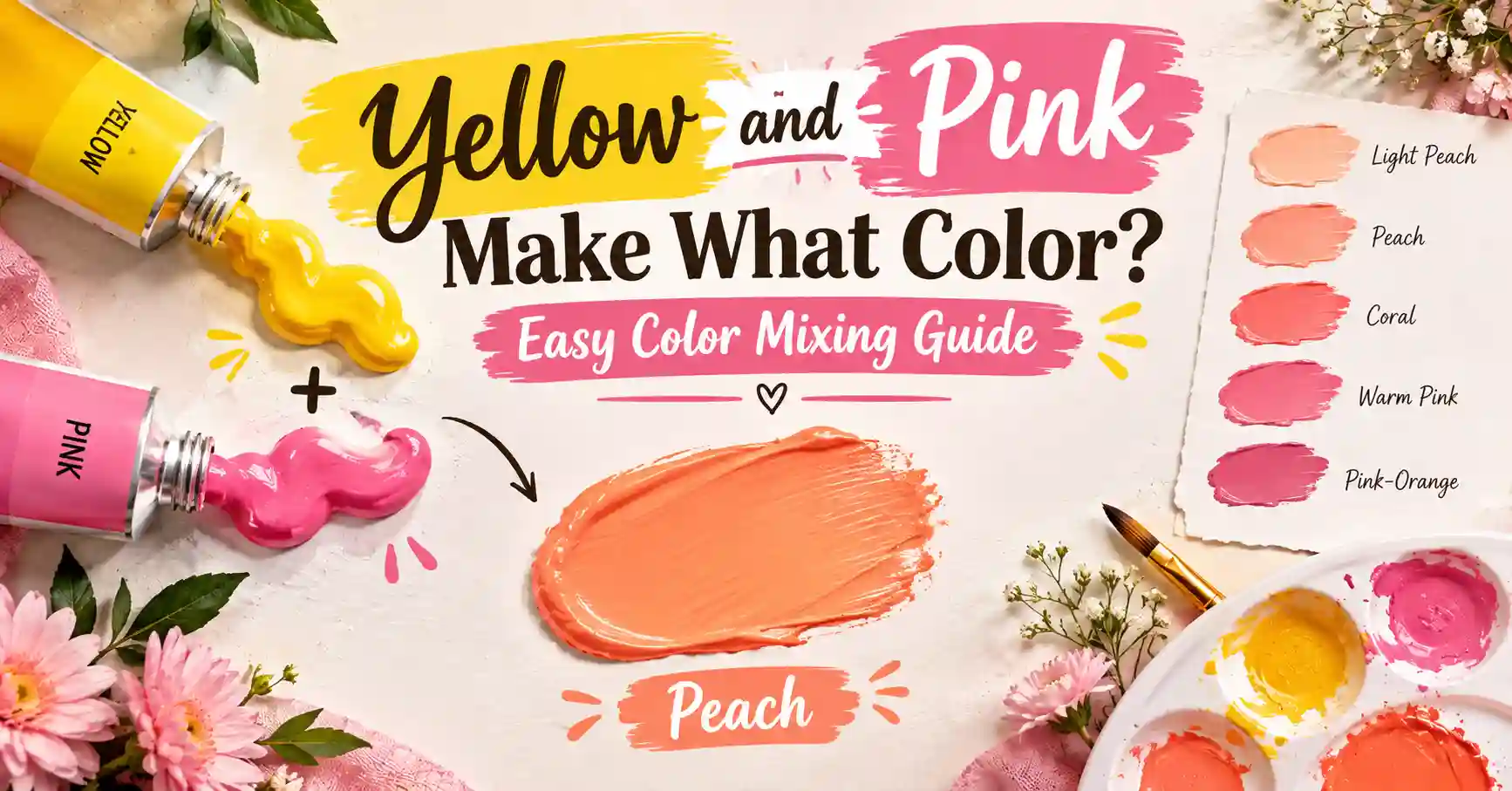
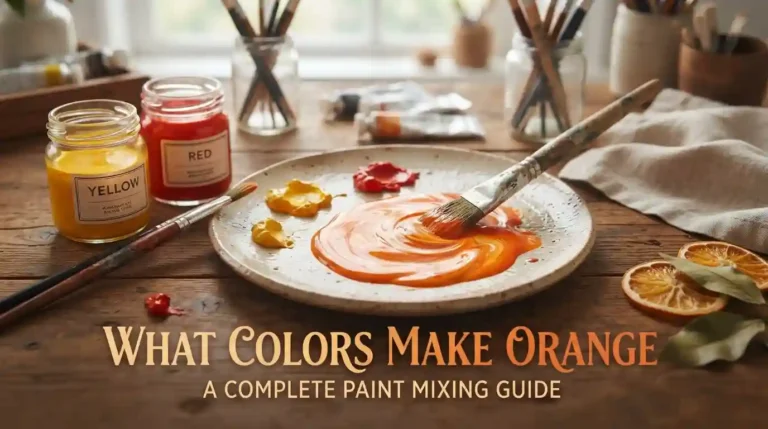
Yellow and Pink Make What Color? You squeeze a blob of yellow and a blob of pink onto your palette. You stir. What do you get? In short, yellow and pink make what color? The answer is peach.
Main takeaway: Yellow + Pink = Peach. In paint, mix them in about a 1:1 ratio for a soft peach. Use more yellow for a light orange. Use more pink for coral or salmon.
That is the short answer. But there is more to learn. The exact shade depends on your pigments, your ratio, and whether you mix paint or light. This guide covers all of it in simple steps.
Understanding Yellow and Pink as Colors
Before you mix, it helps to know your two colors. Each one has its own personality. Knowing it helps you predict the result.
Yellow: A Warm, Bright Primary Color
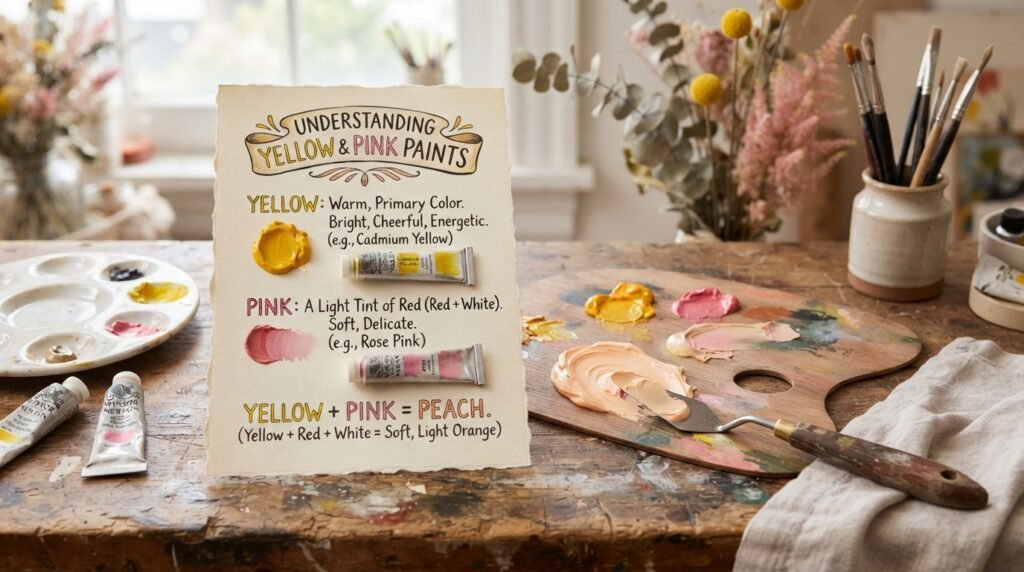
Yellow is a primary color. You cannot make it by mixing other paints. It is the lightest and brightest color on the wheel. It feels warm, cheerful, and full of energy.
Some yellows lean warm, like cadmium yellow. Others lean cool, like lemon yellow. Cool yellows lean slightly green.
Pink: A Light, Soft Tint of Red
Pink is not a primary or a secondary color. It is a tint. A tint is a color mixed with white. Pink is simply red plus white.
Pinks can lean warm or cool. A warm pink leans toward orange, like salmon. A cool pink leans toward purple, like magenta-based pinks.
Why This Pairing Matters
Here is the key idea. Pink is red plus white. So yellow plus pink is really yellow plus red plus white.
Yellow and red make orange. Add white, and you get a soft, light orange. That is peach. Knowing this makes the result easy to predict.
Yellow and Pink Make What Color in Paint?
Here is the direct answer for paint. Yellow and pink make peach. The result can range from pale apricot to deep salmon. The ratio decides which one you get.
Here are three examples to try.
Example 1: 1 Part Yellow + 1 Part Pink
This is the classic mix. You get a balanced, soft peach.
- Result: Peach
- Hex code: #FFCBA4
- Best use: Skin tones, nursery walls, and gentle backgrounds
Example 2: 2 Parts Yellow + 1 Part Pink
Extra yellow lifts the mix toward the sunny side. You get a warm, light orange.
- Result: Peach-Orange
- Hex code: #FFCC99
- Best use: Sunrise skies, citrus art, and cheerful illustrations
Example 3: 1 Part Yellow + 2 Parts Pink
Extra pink pushes the mix toward the rosy side. You get a warm, pinkish tone.
- Result: Salmon
- Hex code: #FA8072
- Best use: Flowers, sunsets, and cozy accent walls
So, what color do yellow and pink make when you change the ratio? Always a shade of peach, orange, or coral. The ratio simply decides how sunny or rosy it looks.
Full Mixing Chart: Yellow and Pink Pigment Combinations
Different brands and pigments give different results. In this chart, “pink” means a rose or magenta pigment mixed with white. The hex codes are close digital matches. Real paint will vary a little by brand and batch.
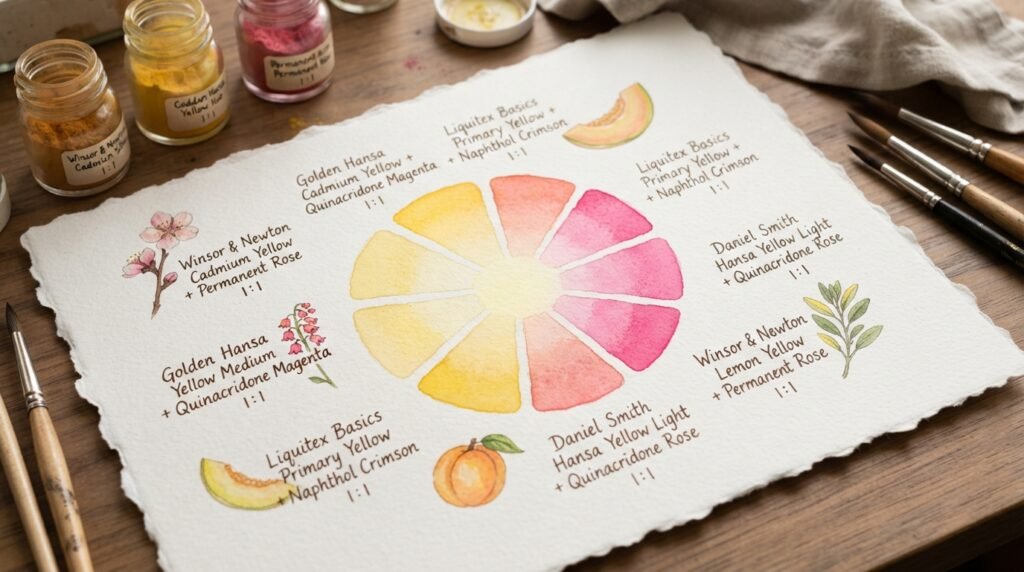
| # | Pigment Combination | Ratio (Yellow : Pink) | Resulting Color | Hex Code |
| 1 | Winsor & Newton Cadmium Yellow + pink (Permanent Rose + white) | 1:1 | Peach | #FFCBA4 |
| 2 | Golden Hansa Yellow Medium + pink (Quinacridone Magenta + white) | 1:1 | Coral | #FF7F50 |
| 3 | Liquitex Basics Primary Yellow + pink (Naphthol Crimson + white) | 1:1 | Melon | #FDBCB4 |
| 4 | Daniel Smith Hansa Yellow Light + pink (Quinacridone Rose + white) | 1:1 | Apricot | #FBCEB1 |
| 5 | Winsor & Newton Lemon Yellow + pink (Permanent Rose + white) | 1:1 | Desert Sand | #EDC9AF |
| 6 | Winsor & Newton Cadmium Yellow + pink | 2:1 | Peach-Orange | #FFCC99 |
| 7 | Winsor & Newton Cadmium Yellow + pink | 1:2 | Salmon | #FA8072 |
| 8 | Winsor & Newton Cadmium Yellow + pink | 3:1 | Pastel Orange | #FFB347 |
| 9 | Golden Hansa Yellow Medium + hot pink (Quinacridone Magenta + a little white) | 1:1 | Living Coral | #FF6F61 |
| 10 | Yellow Ochre + pink (Permanent Rose + white) | 1:1 | Burlywood | #DEB887 |
The pattern is clear. Warm yellows give clean, bright peaches. Cool yellows like lemon give softer, sandier tones. Earthy yellow ochre gives a muted, natural result.
What Color Does Yellow and Pink Light Make?
Paint and light follow different rules. If you mix colored light, you get a different kind of result.
Many people ask, yellow and pink make what color when mixed as light? The answer is a pale, warm glow. It looks like cream or light gold, not peach.
How Additive Mixing Works
Screens, LEDs, and stage lights use additive color mixing. You start with darkness. Each light you add makes the result brighter.
The base colors in light are red, green, and blue (RGB). Yellow light is red plus green. Pink light is mostly red, with some green and blue. When you add them together, the lights stack up, and the result gets lighter.
The Light-Mixing Answer
When yellow and pink lights overlap at full strength, the result is close to a pale cream yellow. For example, standard yellow (255, 255, 0) plus standard pink (255, 192, 203) adds up to about (255, 255, 203). That is the hex code #FFFFCB.
On a screen, a simple 50/50 blend gives a different result. It averages the two colors to (255, 224, 102). That is the hex code #FFE066, a soft golden yellow.
Where Light Mixing Is Used
- Screens and phones: Pixels blend red, green, and blue light to make soft tones.
- LED lighting: Smart bulbs mix colored LEDs for warm, gentle glows.
- Theater and stage lights: Yellow and pink gels create sunrise and sunset effects.
Subtractive vs. Additive Color Mixing
Here is a side-by-side comparison. It shows why paint and light behave so differently.
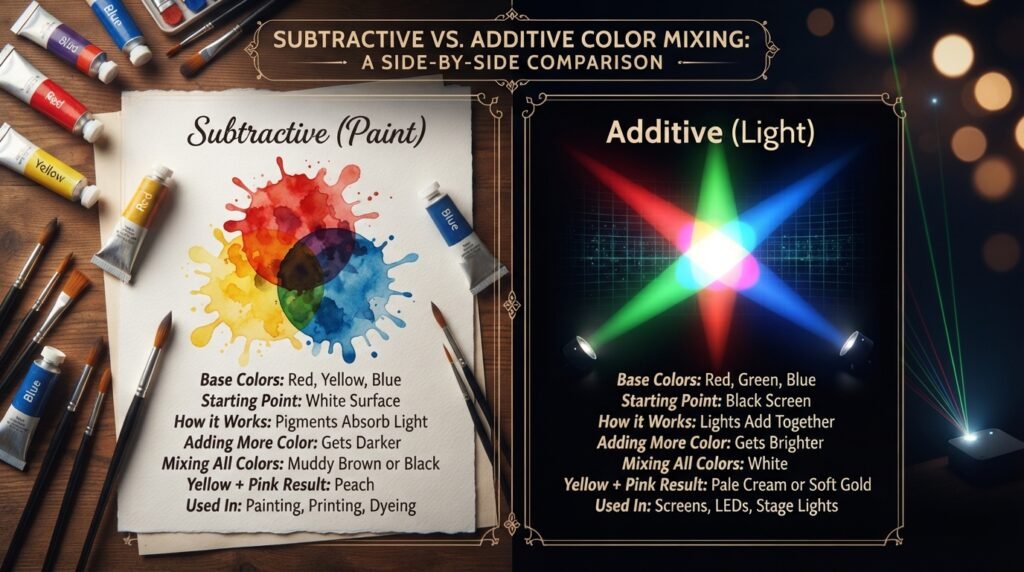
| Feature | Subtractive (Paint) | Additive (Light) |
| Base colors | Red, yellow, blue | Red, green, blue |
| Starting point | White surface | Black screen |
| How it works | Pigments absorb light | Lights add together |
| Adding more color | Gets darker | Gets brighter |
| Mixing all colors | Muddy brown or black | White |
| Yellow + Pink result | Peach | Pale cream or soft gold |
| Used in | Painting, printing, dyeing | Screens, LEDs, stage lights |
How Ratio Affects the Final Color
Ratio is the biggest control you have. A tiny change can shift your peach a lot. This small table shows what to expect.
| Ratio (Yellow : Pink) | Resulting Color | Hex Code | Best Use |
| 4:1 | Pastel Orange | #FFB347 | Citrus art, sunny highlights |
| 2:1 | Peach-Orange | #FFCC99 | Sunrise skies, warm backgrounds |
| 1:1 | Peach | #FFCBA4 | Skin tones, nurseries, soft walls |
| 1:2 | Salmon | #FA8072 | Flowers, sunsets, accent walls |
| 1:4 | Coral Pink | #F88379 | Spring fashion, playful designs |
Here is a simple rule. Yellow and pink make what color when ratios change? A different peach each time. More yellow means sunnier. More pink means rosier.
Start with the stronger color in small amounts. Yellow can take over quickly, so add it slowly.
Why Your Mix Looks Muddy and How to Fix It
Sometimes your peach comes out dull or gray. Do not panic. This is a common problem with simple fixes.

Hidden Undertones
Why It Happens
Cool pinks lean toward purple. Cool yellows lean toward green. Purple and green sit on opposite sides of the wheel. They cancel each other and make the mix gray or sandy.
How to Fix It
Switch to a warm yellow and a warm pink. Cadmium yellow and a salmon-leaning pink are good starting points.
Overmixing
Why It Happens
Too much stirring can blend in more of the base paint than you want. Some paints also turn flat when mixed too long.
How to Fix It
Stir just until the streaks disappear. Then stop. Use a clean palette knife for a smooth blend.
Cheap Paint
Why It Happens
Student-grade paints often have less pigment and more filler. Fillers make pinks look weak, and peaches look chalky.
How to Fix It
Switch to artist-grade paint for your main colors. You do not need a full set. Even two good tubes make a big difference.
Dirty Brushes and Palettes
Why It Happens
A trace of blue or green on your brush can ruin a peach fast. Blue is the opposite of orange, so it dulls the mix.
How to Fix It
Wash your tools between every mix. Use a clean area of the palette for each new color.
Too Pale or Chalky
Why It Happens
Your pink contains a lot of white. Add more of it, and the mix turns weak and powdery.
How to Fix It
Add a little more yellow and a tiny drop of red. This brings back the glow.
💡 Beginner Tip: Mix your pink first, then add yellow a little at a time. Yellow can overpower a soft pink in seconds. Test each change on scrap paper before you add more.
Best Pigments to Mix for Clean Results
The right pigments make all the difference. Here are the best pairs for a clean, vivid peach.
| Pigment Pair | Result | Notes |
| Cadmium Yellow + Permanent Rose-based pink | Clean, glowing peach | The classic clean pair; both lean warm |
| Hansa Yellow Medium + Quinacridone Magenta-based pink | Bright coral | Strong modern pigments with great tinting power |
| Cadmium Yellow + Naphthol Crimson-based pink | Warm melon | Crimson leans warm, which keeps the mix clean |
| Hansa Yellow Light + Quinacridone Rose-based pink | Soft apricot | A gentle, light tone for pastel work |
| Yellow Ochre + Permanent Rose-based pink | Muted, earthy peach | Great for natural, vintage palettes |
Mixing Tips for Cleaner Results
- Pick warm over cool. Warm pigments carry less hidden green or purple.
- Use a palette knife. It mixes cleanly and does not trap color in bristles.
- Mix on a white palette. You will see the true color.
- Keep your mix simple. Two pigments plus white are better than four.
Mixing peach is like making lemonade with a splash of strawberry juice. A little goes a long way, and too much changes everything.
Real-Life Examples of Yellow and Pink Mixed
Peach appears everywhere in art and design. Here are three places where this simple mix does big work.

Traditional Art
Painters use yellow and pink to build skin tones, sunrise skies, and delicate flowers. Many artists mix their own peach instead of buying a tube. It gives them more control over warmth and softness.
Interior Design
Peach walls feel warm and welcoming. They glow in morning light. Soft peach shades work well in bedrooms, nurseries, and cozy reading nooks.
Digital Media
Designers use peach in apps, websites, and branding. It feels friendly, gentle, and modern. Hex codes like #FFCBA4 and #FFCC99 are popular choices for backgrounds, cards, and gradients.
What Happens When You Add White, Yellow, or Black
Once you have peach, you can modify it. Each addition changes the color in a clear way.
| Modifier | Effect | Resulting Color | Hex Code |
| Add white | Lighter, softer, more pastel | Pale Peach | #FFE5B4 |
| Add more yellow | Sunnier and more golden | Pastel Orange | #FFB347 |
| Add more pink | Rosier and warmer | Salmon | #FA8072 |
| Add a touch of red | Deeper and bolder | Coral | #FF7F50 |
| Add a tiny touch of blue | Duller, grayer, more neutral | Taupe | #B38B6D |
| Add a tiny touch of black | Darker, but can look dirty | Dusty Clay | #C97B63 |
A quick warning about black. It can make peach look flat and dirty. For richer, deeper tones, try adding a little red or a drop of brown instead.
Paint vs. Digital Media
Paint and screens both make soft, warm colors, but they do it in different ways. Here is a simple recap with real examples.
Paint: Subtractive Mixing
Paint works by absorbing light. A yellow pigment absorbs most colors except yellow. A pink pigment absorbs most colors except pink and red. Mixed together, they leave mostly orange-pink light to bounce back to your eye.
For example, a tube of cadmium yellow mixed with pink made from permanent rose and white gives you a real, physical peach. You can feel it, brush it, and watch it change as it dries.
Digital: Additive Mixing
Screens work by emitting light. Pixels glow in red, green, and blue. To make peach, a screen turns on full red, a high amount of green, and a medium amount of blue.
For example, the hex code #FFCBA4 tells your screen to use red at 255, green at 203, and blue at 164.
Which One Should You Use?
Use paint for physical art, walls, and crafts. Use RGB or hex values for websites, apps, and digital art. Both can make peach, but each needs its own approach.
Tips for Artists
A few simple habits will help you mix better peaches every time.
Know Your Warm and Cool Pigments
Warm pigments give bright, clean peaches. Cool pigments give softer or grayer ones. Label your tubes as warm or cool to make choices faster.
Test on a White Palette
White shows the true color. Mix a small amount, brush it on white paper, and compare. This avoids surprises later.
Mix Small Batches, Then Scale Up
Start with a small test batch. Once you like the color, make more. Keep notes on your ratios so you can repeat it.
Try Layering
Layering is another way to make peach. Paint a thin pink layer. Let it dry. Then glaze a thin yellow layer over it. This is called optical mixing, and it gives a soft, glowing effect.
Dry-Test Before You Commit
Acrylic paint often dries darker than it looks wet. Always test a dry swatch before painting your main piece.
Peach in Fashion and Interior Design
Peach is a trend color that keeps coming back. It feels soft, warm, and full of life. Pantone even named Peach Fuzz its Color of the Year for 2024.

Peach in Fashion
Designers use peach for dresses, blouses, scarves, and accessories. It flatters many skin tones and works in every season.
Peach in Interior Design
Peach works as a calm, welcoming wall color. It also looks lovely on cushions, throws, and ceramics. It suits bedrooms, nurseries, and bright kitchens.
If you are not sure about a full wall, start small. Try a sample pot of a ready-mixed peach shade before you commit to a whole room. Paint a large swatch and watch it in morning and evening light.
Where Peach Sits on the Color Wheel
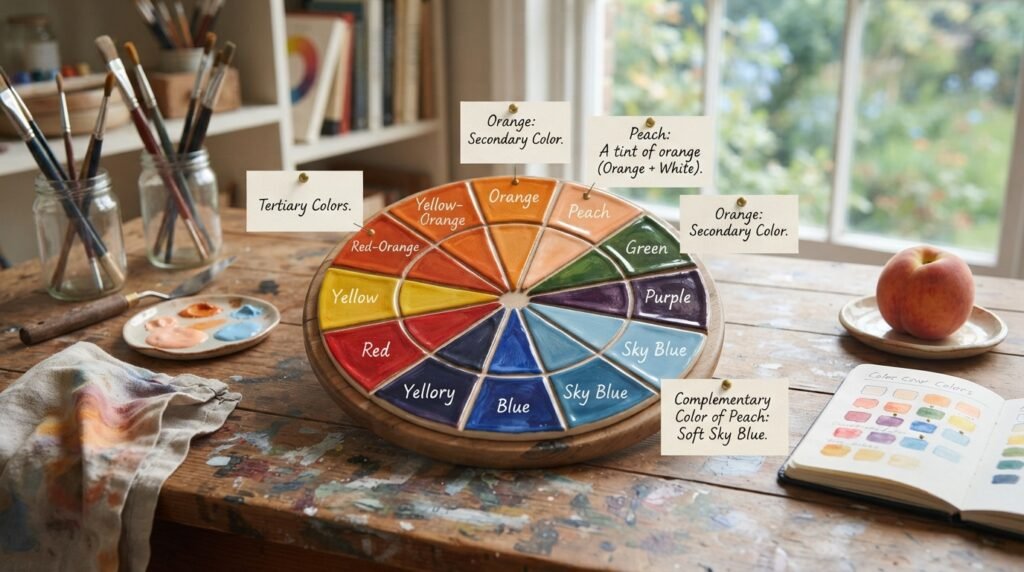
Peach is a tint of orange. It sits between yellow and red on the traditional color wheel, but it is much lighter than the pure hues. Knowing its neighbors helps you mix and pair colors with confidence.
Is Peach a Primary, Secondary, or Tertiary Color?
Peach is not primary, secondary, or tertiary. It is a tint. Primary colors are red, yellow, and blue. Secondary colors are orange, green, and purple.
Orange is the secondary color behind peach. Add white to orange, and you get peach. The two tertiary colors beside orange are red-orange and yellow-orange.
Complementary Color
The complementary color of peach is a soft sky blue. It sits across from orange on the wheel. Together, they create gentle contrast and make each other pop.
Analogous Colors
Analogous colors sit next to peach. These are pink, coral, light orange, and golden yellow. They blend smoothly and make warm, harmonious palettes.
Conclusion
So, yellow and pink make what color? Peach. In paint, mix them in about a 1:1 ratio. In light, they glow as a pale cream or soft gold.
Remember the key points. Warm yellows and warm pinks give the cleanest results. Add more yellow to brighten, more pink to warm, and a touch of red to deepen. Keep your tools clean, and watch out for cool undertones and too much black.
Do not worry about perfect results on the first try. Mix small batches, test on scrap paper, and note what works. With a little practice, you will mix any peach you need. Now grab your yellow and pink, and see what you can create.
FAQs
Yellow and pink make what color?
Yellow and pink make peach. In paint, a 1:1 ratio gives a soft peach. Changing the ratio gives apricot, coral, or salmon.
What color do yellow and pink make when mixed as light?
Yellow light and pink light make a pale cream or soft golden glow. Full-strength lights add up to about #FFFFCB. A simple 50/50 digital blend gives #FFE066.
What happens when you mix yellow and pink paint in different amounts?
More yellow gives a sunny peach-orange. More pink gives a rosy salmon or coral. A 1:1 ratio gives a balanced peach.
Why does my yellow and pink mix look dull or gray?
Your pink or yellow probably leans cool, which hides purple or green in the mix. Those two cancel each other out. Use warm pigments and clean tools to keep it bright.
How do I make light peach from yellow and pink?
First, mix yellow and pink into peach. Then add white a little at a time. Stop when you reach the shade you want.
How do I make a deeper peach or coral?
Add a little more pink or a tiny touch of red. For an earthy tone, add a small amount of brown. Go slowly, because dark colors take over fast.
What is the hex code for peach?
A common hex code for peach is #FFCBA4, with RGB values of 255, 203, 164. Peach-orange is #FFCC99. Salmon is #FA8072.